
What is lung cancer?
Lung cancer is a common cancer of the respiratory system that occurs when there is an uncontrolled growth of abnormal cells in the air passages of the lung. Lung cancer is the deadliest cancer in both men and women, according to the National Institutes of Health.
Normally, cells in the lung that are old or damaged will stop dividing and die. These cells are replaced by healthy young cells. Lung cancer occurs when old or damaged cells continue to divide and multiply uncontrollably. These abnormal cells eventually develop into a malignant mass of tissue (tumor) and crowd out and destroy healthy cells in the lungs.
If left untreated, lung cancer cells continue to multiply and spread to other parts of the body—a process called metastasis. As cancer progresses, it interferes with vital processes and functions of the lungs and other organs where it has spread.
Prevention & Early Detection
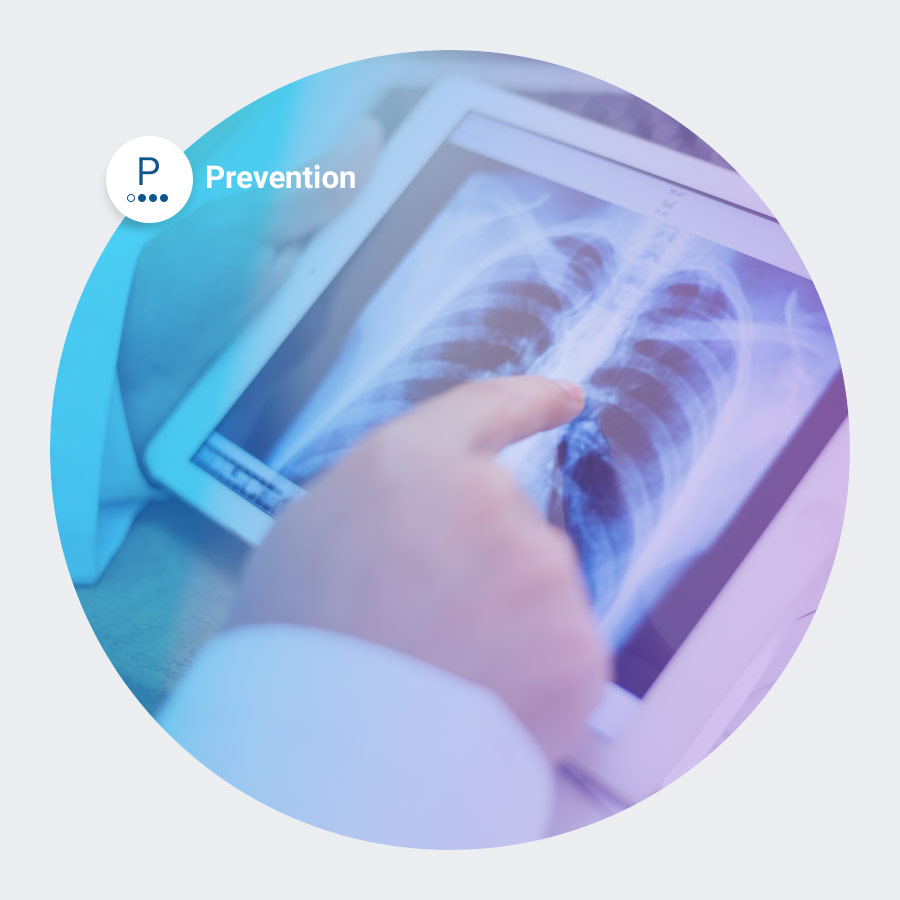
Seeking regular medical care offers the best chance of discovering lung cancer in its earliest, most curable stage. Lung cancer is highly preventable because the majority of cases are caused by smoking. Quitting smoking greatly reduces your risk of lung cancer. If you currently smoke or have a history of smoking, talk with your doctor about testing for lung cancer.
Symptoms of Lung Cancer
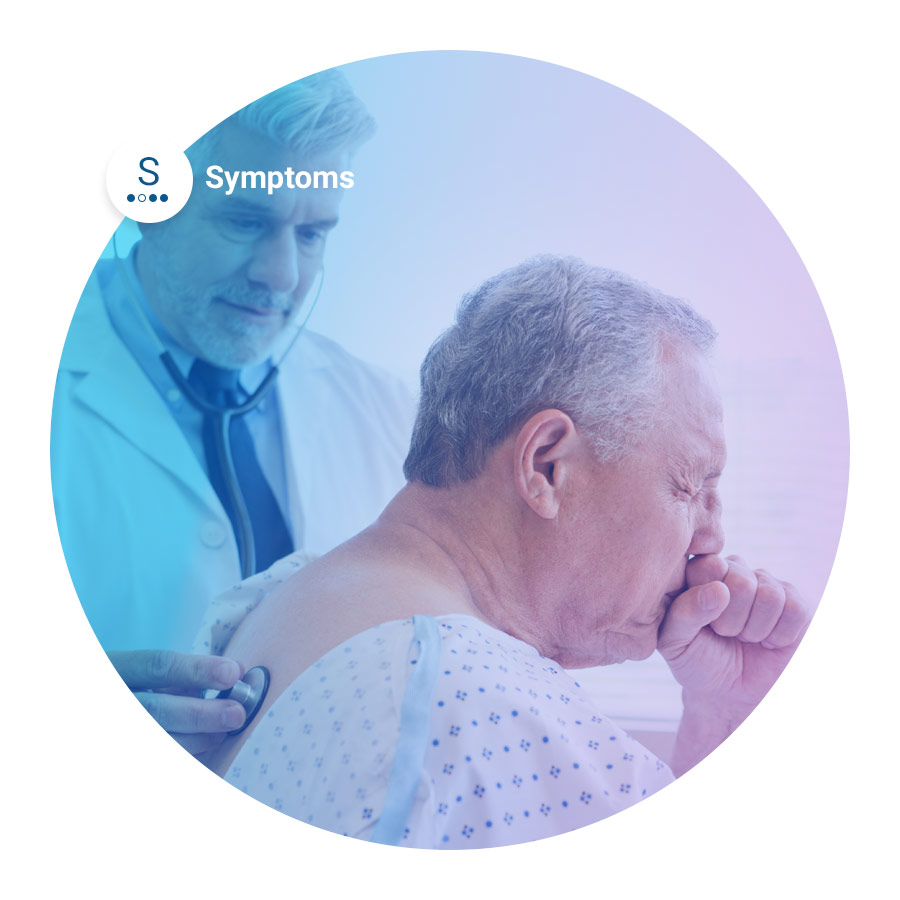
Lung cancer often produces no symptoms in its earliest stages, when it is most treatable. Symptoms may not occur for a decade or more after lung cancer has developed. When symptoms do occur, they often indicate that lung cancer has progressed to an advanced, less curable stage.
Diagnosing Lung Cancer
It’s important to know that not all lung cancers are the same. If your doctor says you have lung cancer, one of the first things to ask is what type you have. Also, ask what stage. With that information, you and your doctor can decide what the best treatment will be for you.

Treatment Options
The goal of lung cancer treatment is to permanently cure the cancer or to bring about a complete remission of the disease. Remission means that there is no longer any sign of the disease in the body, although it may recur or relapse later. Lung cancer treatment plans use a multifaceted approach that is individualized to the lung cancer type and stage.