View Providers

The Best Ways to Protect Your Lungs
You take nearly 25,000 breaths each day. Yet you probably don't give a single one of them a second thought. Perhaps you should. There are steps you can take to keep your lungs healthy and make taking those breaths effortless. Some guard against serious lung diseases. Others can help stave off lesser respiratory illnesses. All are important.

1. Skip Smoking
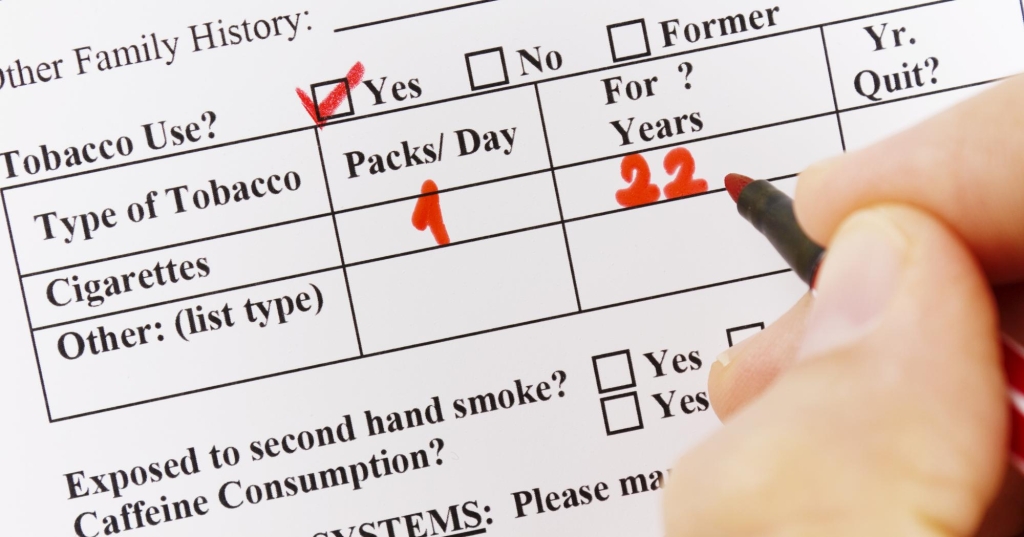
If you aren’t a smoker, don’t pick up the habit. Stay away from secondhand smoke, too. If you do smoke, quit now to protect your lungs. Cigarette smoke destroys tissue in the lungs and makes your lungs work less efficiently. Smoking is the most common cause of both lung cancer and COPD (chronic obstructive pulmonary disease). Smoking also can lead to frequent respiratory infections. Set a date to quit. Talk with your doctor about support groups and techniques to help.
2. Check Radon Levels in Your Home
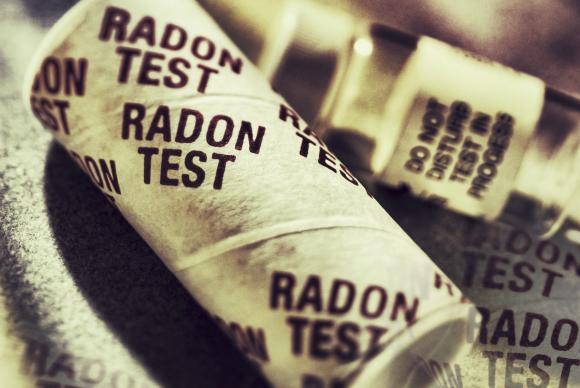
Radon is a naturally occurring gas. It's also the second-leading cause of lung cancer. Test your house—especially lower levels—for radon. Almost 1 in 15 homes in the United States may have dangerous levels of radon. If your house is one of them, you can have a radon abatement system installed to remove it from the air.

3. Steer Clear of Pollutants
Pollutants lurking in the air you breathe can harm your lungs. When outdoor air quality is poor, limit your exposure. For instance, don't exercise outside. Indoors, make sure your home has proper ventilation. Set a weekly time for housecleaning to keep dust and other allergens to a minimum. Clean up water spills. This prevents the growth of mold, which is another lung irritant. Also, don’t let people smoke inside your home or your car.
4. Keep Germs at Bay
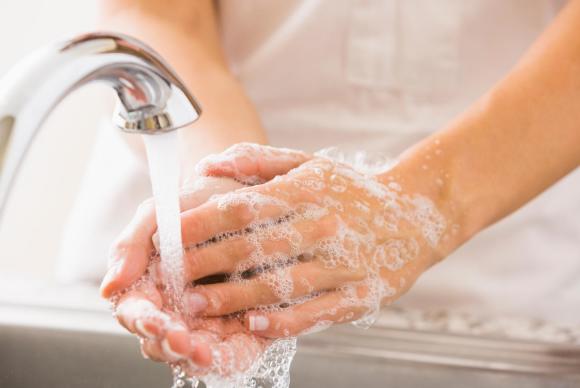
Guard against common respiratory infections. Even a simple cold can turn serious. Wash your hands often with soap and water. This keeps germs from spreading. Keep a bottle of alcohol-based hand sanitizer handy when a sink isn’t available. Steer clear of people who are sick. And stay away from large crowded areas during cold and flu season. When you do feel sick, stay home so you don't spread germs to others.
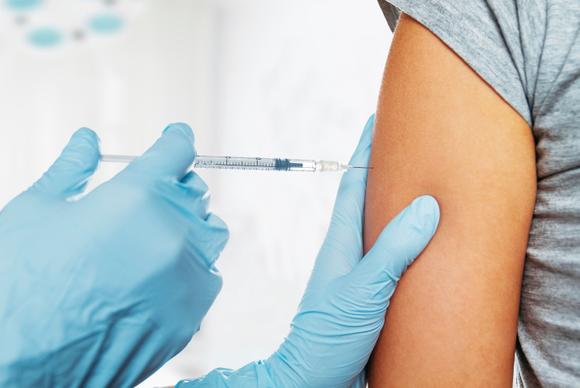
5. Get Needed Vaccinations
Vaccinations are especially important for people with lung diseases, such as asthma. But they're important for others, too. They make it less likely that you'll get a serious respiratory infection. Get a yearly flu shot. Stay up to date on your Tdap (tetanus, diphtheria and pertussis/whooping cough) vaccinations. Talk with your doctor about whether you also need a vaccine to protect against pneumonia.
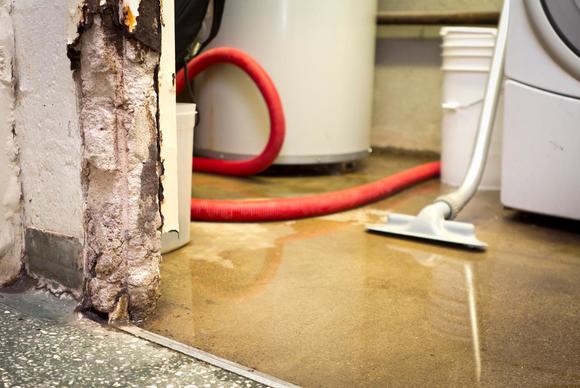
6. Take Workplace Precautions
Protect your lungs from exposure to chemicals on the job. Things like harsh cleaners, smoke, mold, and dust can threaten the health of your lungs. Take all necessary precautions. This might mean wearing a mask if you work with chemicals. If you work in an area with machinery, make sure the space has good ventilation. That helps keep the air you breathe in as clean as possible. If you suspect indoor air pollution issues at work, talk with your employer about improving air quality in your workplace.

7. See Your Doctor Regularly
Wellness checkups give your doctor the chance to listen to your lungs in action. The doctor can spot problems early. This can protect your lungs from further damage. Talk about any concerns you have or symptoms you're experiencing, like shortness of breath. If you develop a cough from a cold or other respiratory infection, check in with your doctor about how to treat it on your own. Also, ask at what point you should go in for an office visit if it doesn't clear by itself.