View Providers
Shortness of breath can be one of the more unpleasant side effects of lung cancer. Medically termed “dyspnea,” shortness of breath (also referred to as breathlessness and “air hunger”) can result when a lung tumor blocks your airways or disrupts your heart’s ability to pump blood through the lungs to pick up oxygen molecules. Secondary lung infections caused by lung cancer, tumors in other organs caused by lung cancer metastasis, and pain also can cause shortness of breath.
No matter what causes dyspnea, it can make you feel panicky and uncomfortable. Here are a few ways to ease your breathing when you have lung cancer.
If possible, treat what’s causing shortness of breath.
Sometimes dyspnea with lung cancer is caused by a treatable condition. If you find yourself feeling short of breath, consult your doctor to see if the cause of your breathlessness can be identified and treated. Reasons you might find yourself short of breath with lung cancer include:
-
Tumor blocking air passages in the lungs, sometimes treated with radiation therapy to shrink the tumor(s)
-
Buildup of fluid around the lungs (called “pleural effusion”), treated by draining the fluid
-
Reduced lung capacity following surgical removal of tumor, which can be improved with respiratory therapy
- Pneumonia or other chest infections, which often can be treated with antibiotics
- Spasm of the bronchial passages, which may be treatable with an inhaled medication
Find treatments to manage the symptoms of breathlessness.
If it’s not possible for your doctor to treat the underlying cause of your dyspnea—or if the treatment doesn’t ease your breathlessness--you might find relief by treating the symptoms of the condition. Talk to your doctor about these possible treatments:
-
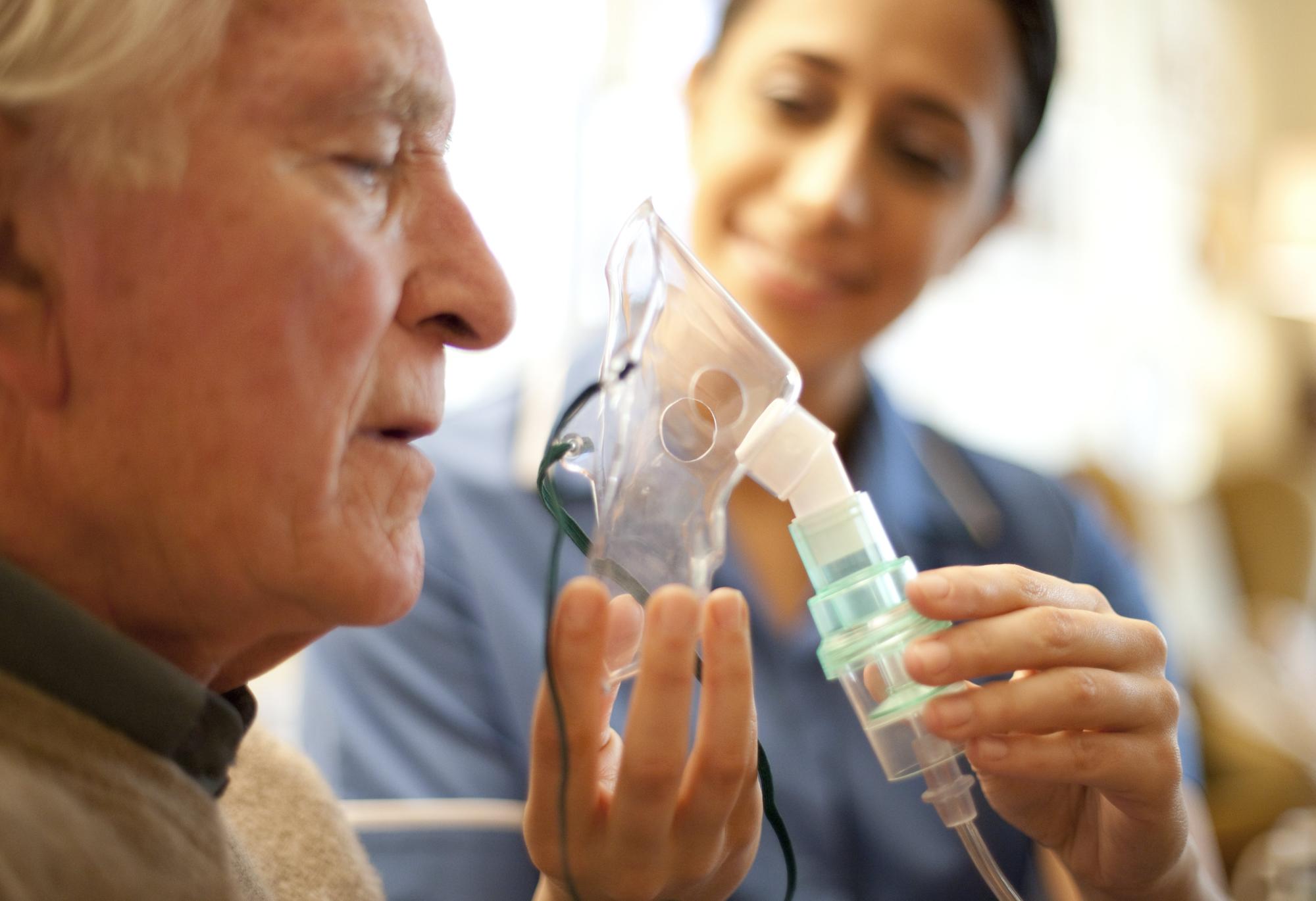
Oxygen therapy: When your body is not receiving enough oxygen, it sends a signal to your brain to breathe faster and harder. But when you have lung cancer, no amount of panting may enable you to take in enough oxygen. Supplemental home oxygen therapy can help calm your body’s craving by providing a boost of oxygen for your cells.
-
Medications: For breathlessness that results from the pain of lung cancer, opioid pain relievers may be helpful. Anti-anxiety medications can offer relief from feelings of stress related to dyspnea. As mentioned above, inhaled bronchodilators can open up your air passages and make it easier for your lungs to take in a larger volume of air.
-
Breathing techniques: A respiratory therapist can instruct you in specialized ways to breathe, such as “pursed-lip breathing,” to help your lungs retain oxygen longer and give those molecules a chance to enter your bloodstream. This can reduce feelings of dyspnea.
-
Meditation: Dyspnea can provoke great feelings of anxiety. Engaging in a meditative process may help lessen these feelings and enable you to breathe more freely.
Caregivers shouldn’t panic, but instead can help offer relief
Watching a loved one gasp for air can be very stressful for family members. Caregivers can take several steps to help alleviate breathlessness in a family member with lung cancer, including:
Stay calm. Your anxiety may provoke added anxiety in your family member, which in turn can make it even harder for them to get a breath.
-
Assess the person’s oxygen level using a device like a pulse oximeter. If oxygen levels are lower than normal and do not rise, or if the person begins to turn blue around the mouth, then call for medical assistance.
-
Assess the individual for additional symptoms, such as chest pain or fever, which could indicate a new medical problem that should be investigated.
-
Reposition the breathless person. If in bed, elevate the person’s head. If sitting up, encourage the individual to find a comfortable position that allows for maximum air uptake.
-
Position a small fan to blow gently on the person’s cheek.
- Check the home oxygen system to ensure it is working correctly and delivering the prescribed amount of oxygen.
Shortness of breath caused by lung cancer is a common problem. Many times, it can be successfully treated. If you are experiencing episodes of dyspnea, work with your doctor to find a solution that keeps you or your loved one as comfortable as possible.