View Providers

Health Problems to Keep on Your Radar
Research shows men are less likely than women to see the doctor, especially when they don’t have symptoms. But staying healthy and preventing health problems are important ways to provide security for your family and loved ones. And there are actions men can take to combat their top health challenges. So take control and learn what you can do now for your best health in the years to come.

1. Heart Disease
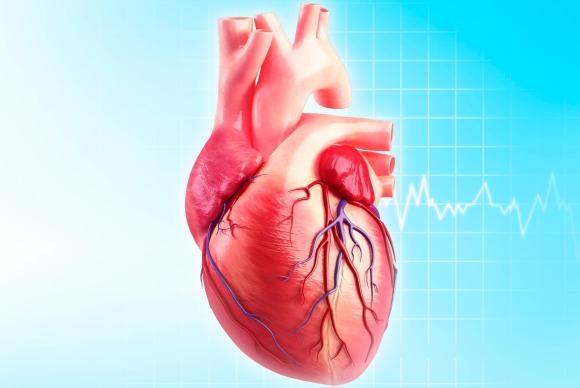
There are many ways to end this phrase: The way to a man’s heart is through his…. But the literal way is through his arteries. And coronary artery disease (CAD) is the most common form of heart disease in America. What’s more, heart disease is the leading cause of death for both men and women. Luckily, you can prevent heart disease with exercise, good nutrition, not smoking, and avoiding too much alcohol.

2. Lung Cancer and Other Lung Diseases
Are you the one out of every five men who smoke? If so, you should know lung cancer kills more men and women than any other type of cancer. And other lung diseases like COPD (chronic obstructive pulmonary disease) are a major cause of disability. The best way to prevent lung cancer and other lung diseases is to not smoke, plain and simple.
3. Accidents
In 2011, more than 32 million people went to an emergency room due to injuries. And over 180,000 people died of their injuries. Injuries are a danger to everyone, but men are especially prone. For instance, men are two times more likely than women to have a traumatic brain injury and four times more likely to have a spinal cord injury.
4. Skin Cancer
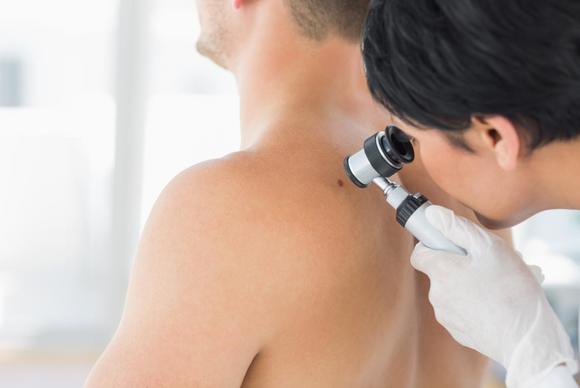
Being a grown man, putting on sunscreen may seem like a nuisance, but it’s more than worth the trouble. Skin cancer is the most common cancer in the United States. And men are twice as likely as women to develop the two most common types of skin cancer: basal cell and squamous cell carcinoma. So get sunscreen with SPF 30 or higher and use it. Look for daily sunscreen products that are just for men.

5. Erectile Dysfunction
Erectile dysfunction (ED) may not be your favorite topic. But if you have it from time to time, you’re not alone: Fifteen to 30 million American men experience ED. The good news is it’s a highly treatable condition. However, it can sometimes be a symptom of something more serious. Research is showing even mild, occasional ED can be the first sign of heart disease and diabetes.
6. Diabetes and Obesity
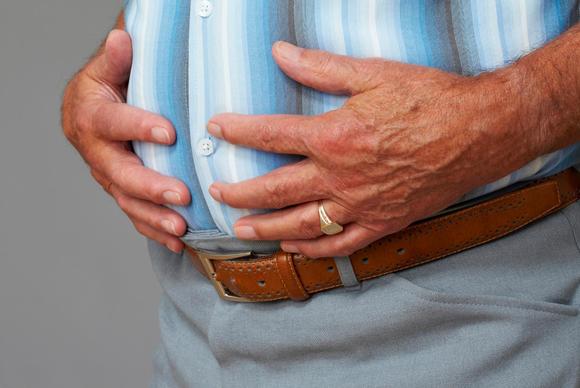
Type 2 diabetes is an epidemic in the United States, affecting nearly 26 million adults and more than one in 10 men. Obesity is strongly linked to type 2 diabetes and about a third of U.S. adults are obese. These two conditions increase your risk of heart disease, stroke, and kidney disease. But you can prevent both with a healthy lifestyle.

7. Depression and Suicide
Depression in men is often hard to recognize. Instead of feeling sad or crying, men may feel anger or aggression. And friends may not see the signs. Depression can be a life-and-death matter for men. Ninety percent of people who die by suicide have depression or another mental or substance abuse disorder, and men are four times as likely as women to die by suicide.

8. Prostate Cancer
Prostate cancer is the second most common cancer after skin cancer in American men. It will affect one in six men during his lifetime. Check with your doctor to see if you need prostate cancer screening. Whether you need a screening or not depends on your age, race, and family history of prostate cancer.

9. Stroke
Every 40 seconds, someone in the United States suffers a stroke. Strokes happen when a broken blood vessel or a blood clot interrupts blood flow to the brain. Fortunately, up to 80% of strokes are preventable. Know the signs of stroke—FAST: Face drooping, Arm weakness or numbness, Speech problems, Time to call 911. Keep your blood pressure down, avoid alcohol and tobacco, and maintain a healthy weight.

10. Osteoporosis
Osteoporosis isn’t just your mother’s problem. It may surprise you to know that up to 25% of men older than 50 will break a bone because of osteoporosis. And you’re more at risk if you have rheumatoid arthritis, gastrointestinal disease, previously broken bones, or a history of using corticosteroids. Ask your doctor whether you need an osteoporosis screening test. Make sure to limit alcohol and don’t smoke.

Be your own best health advocate.
It’s possible you’ll sail through life without too many health problems. But to be on the safe side and live strong, take responsibility for common health issues and pay attention to your mind and body. Talk with your doctor about your risk factors for disease, especially ones that might run in your family, and find out how to lower those risks. Lead by example and make good habits and health screenings part of your routine.