View Providers

What Are the Risks?
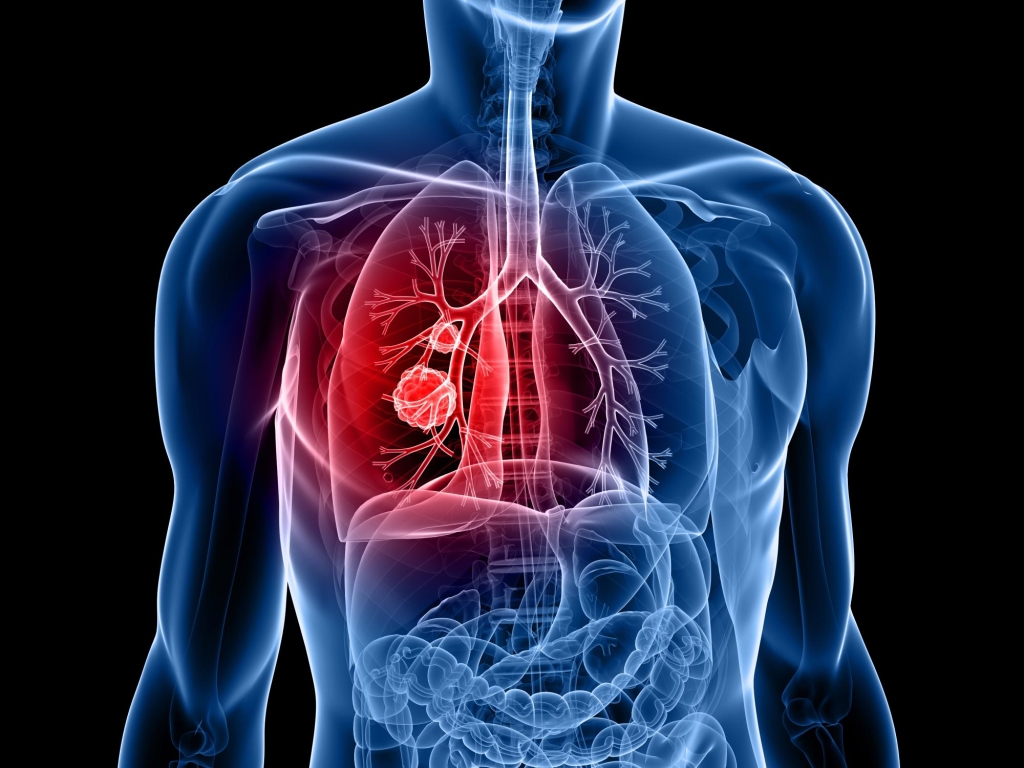
Of all the cancer deaths in the United States, most are caused by lung cancer. While you may think lung cancer happens only to smokers, that’s not actually the case. Tobacco is certainly one factor that you can control, but others can’t be avoided. So what are the risk factors? Which ones can you prevent?

Tobacco Use
No surprise here—cigarette smoking is the culprit behind most lung cancers. The more you smoke and the earlier you start mean a greater risk for lung cancer. But the sooner you quit, the sooner you lessen this strike against you. Ten years after quitting, your lung cancer death rate is about half that of those who continue to smoke.

Secondhand Smoke
You don’t have to be a smoker to be exposed to the cancer-causing agents in tobacco. So if you smoke around loved ones, their health is another incentive to kick the habit for good.
Radon
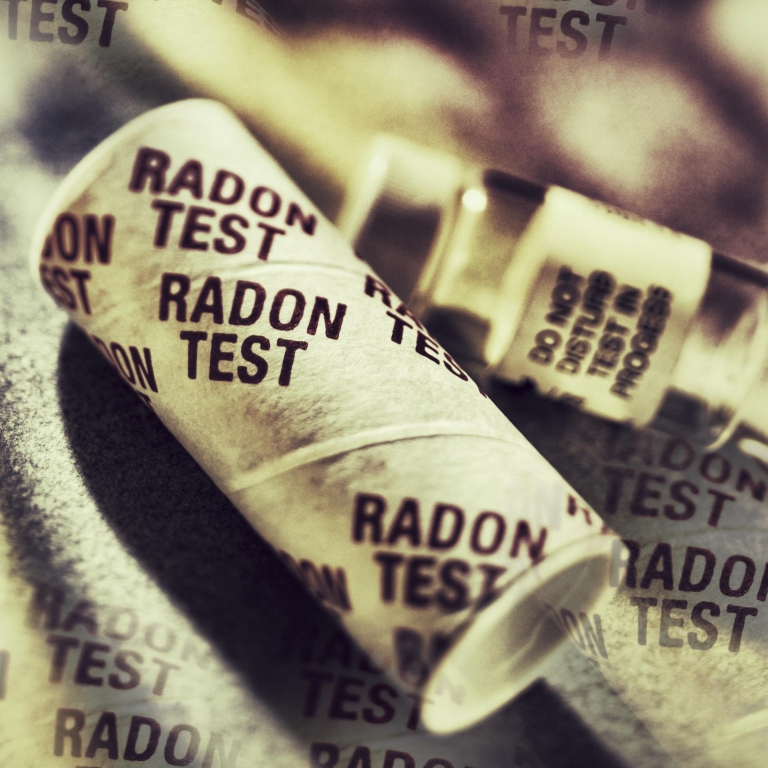
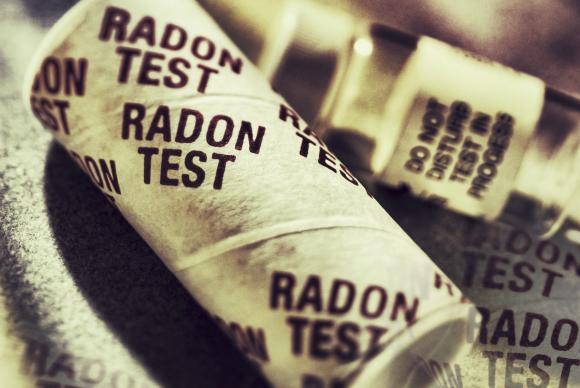
Do you know what’s lurking in your house? Radon is the leading cause of lung cancer in nonsmokers. It is a gas that comes from the breakdown of uranium in soil and rocks. In the United States, some houses sit atop soil with natural uranium deposits. People who have lived in such homes for years face an increased risk for lung cancer. Consider performing a low-cost radon test. Kits are available at local home improvement centers.

Poor Diet
Mom was right—eat your fruits and veggies. Research shows that a diet rich in fruits, and possibly veggies, may help lower your risk for lung cancer. So pack more of them into your day by adding a salad to your dinner plate, and snack on an apple for your afternoon pickup.

Alcohol Intake
If you’re dependent on alcohol, then you’re three times as likely to be a smoker. Although science is still determining whether heavy drinking causes lung cancer, the evidence of smoking is crystal clear.

Sedentary Lifestyle
Are you guilty of being a couch potato? Being physically active could lower your risk for lung cancer. Even if you smoke, exercising could put you at less of a risk, compared with other smokers.
Asbestos Exposure
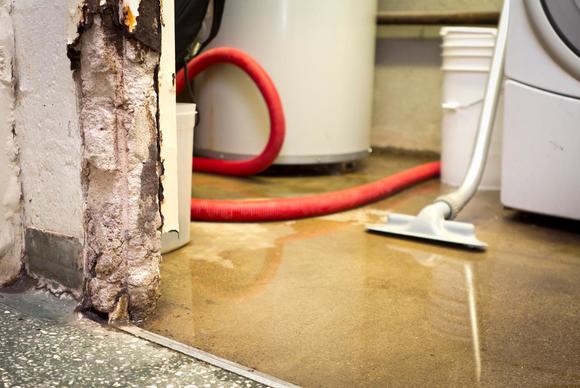
Whistle while you work, but try to avoid asbestos fibers. People who work with asbestos, such those employed in mines, mills, or anywhere it’s used as insulation, are more likely to die of lung cancer.

Arsenic
If your drinking water has high levels of arsenic, it could elevate your risk for lung cancer. Long-term exposure to low amounts of arsenic can be just as dangerous, and the cancer risk persists after you are no longer exposed. In smokers, arsenic seems to increase the risk even more.
Air Pollution
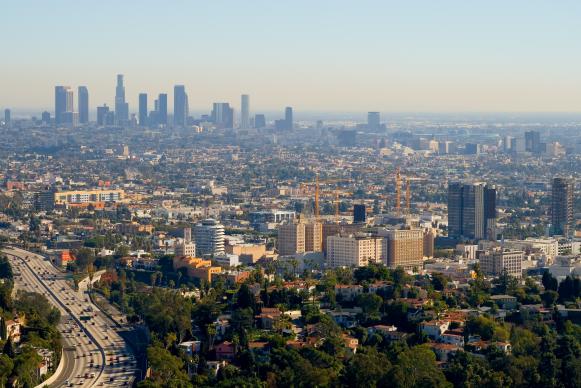
The big city might be fun, with plenty to see and do, but there could be a downside. Cities with more air pollution have higher rates of lung cancer. But air pollution and other environmental risk factors for lung cancer are relatively small compared with smoking.