View Providers
Smoking is by far the biggest risk factor for lung cancer. But, the next biggest risk could be right in your home. It's an odorless, tasteless and colorless gas called radon. Radon occurs naturally. It's always present in the air and may be in water, too. It comes from the breakdown of radioactive substances like uranium in soil and rock.
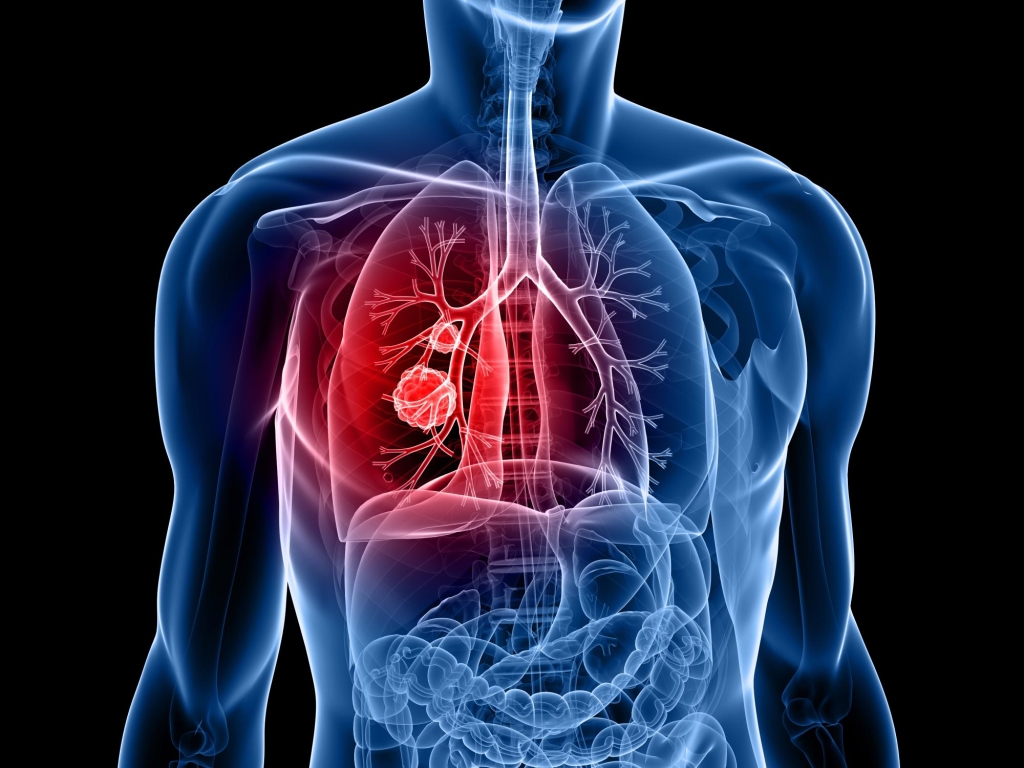
The radon level in the air outside is not high enough to cause lung cancer. But air trapped inside by the walls of a house could contain higher and dangerous levels. If you breathe lots of radon into your lungs, it can cause lung cancer. Studies show that 1 in 15 homes may have high enough levels to cause lung cancer.
How Does Uranium Get Into Your Home?
Radon gas in the soil or rocks beneath your home can seep up into your basement or the ground floor of your house through cracks in walls, cracks in the foundation, or around openings for pipes or electrical wires. It can build up in areas with poor ventilation, like basements.
You may also have higher levels of radon if you have well water coming into your home. Water that is outdoors loses radon very quickly. But, water in deep wells may be high in radon.
How to Protect Yourself from Radon
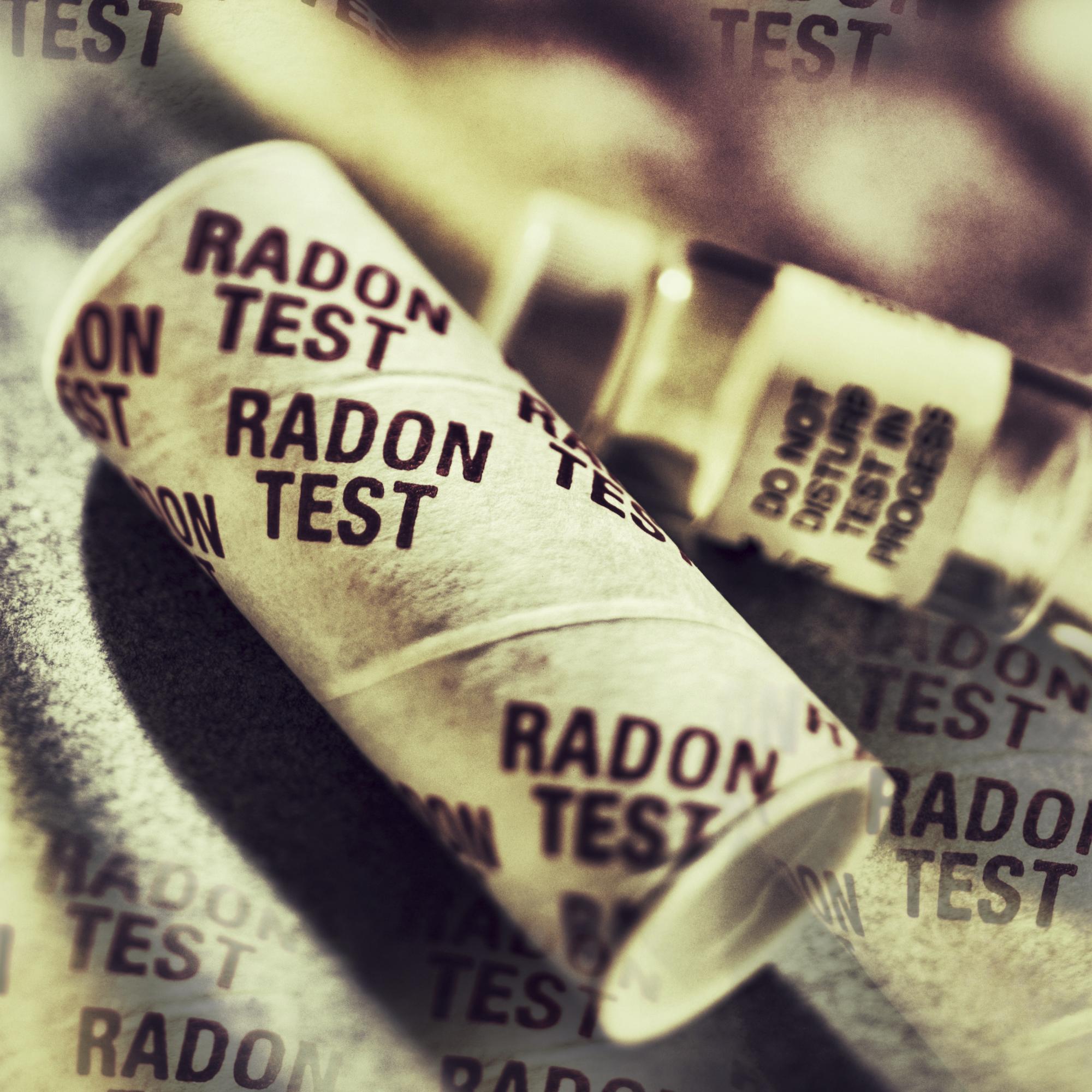
Start by finding out if you have high radon in your home. Don’t assume that your radon level will be low just because a neighbor has low levels. Every home is different. You can get a radon detection kit by mail. Or, you can pick one up in your local hardware store.
Here are the basics:
- Get some short-term, do-it-yourself radon testing kits.
- Test your basement and all floors below your third floor.
- Mail the kits to the lab after testing.
-
If your test result shows 4 picocuries per liter (pCi/L) or higher, repeat the testing with a 90-day test kit. Radon levels can change from day to day, depending on the weather.
-
If the levels come back at 4 pCi/L or higher again, find a qualified contractor for radon removal. The website of the Environmental Protection Agency is a good place to start looking.
- A qualified contractor may remove radon by sealing cracks or increasing ventilation.
You can’t completely avoid radon. It's usually present indoors and outdoors in small amounts. But, you want to keep the level as low as possible.
There are no common tests to screen people for radon exposure. If you have been exposed to high levels in your home, talk with your doctor. Let your doctor know if you've noticed any possible symptoms of lung cancer. These include shortness of breath, chest pain, and a cough that won’t go away.
One more very important way to protect yourself is to not smoke. Some people who get cancer from radon are nonsmokers. But, most people who get cancer from radon are also smokers. That's because the combination of smoking plus radon exposure is worse than either smoking or radon alone.