View Providers
Lung cancer kills more Americans than any other type of cancer. Early diagnosis of lung cancer offers the best chance for a cure. However, because lung cancer symptoms take years to develop, you could have the cancer for quite some time before you notice symptoms or any warning signs. That's why screening for lung cancer is so important.
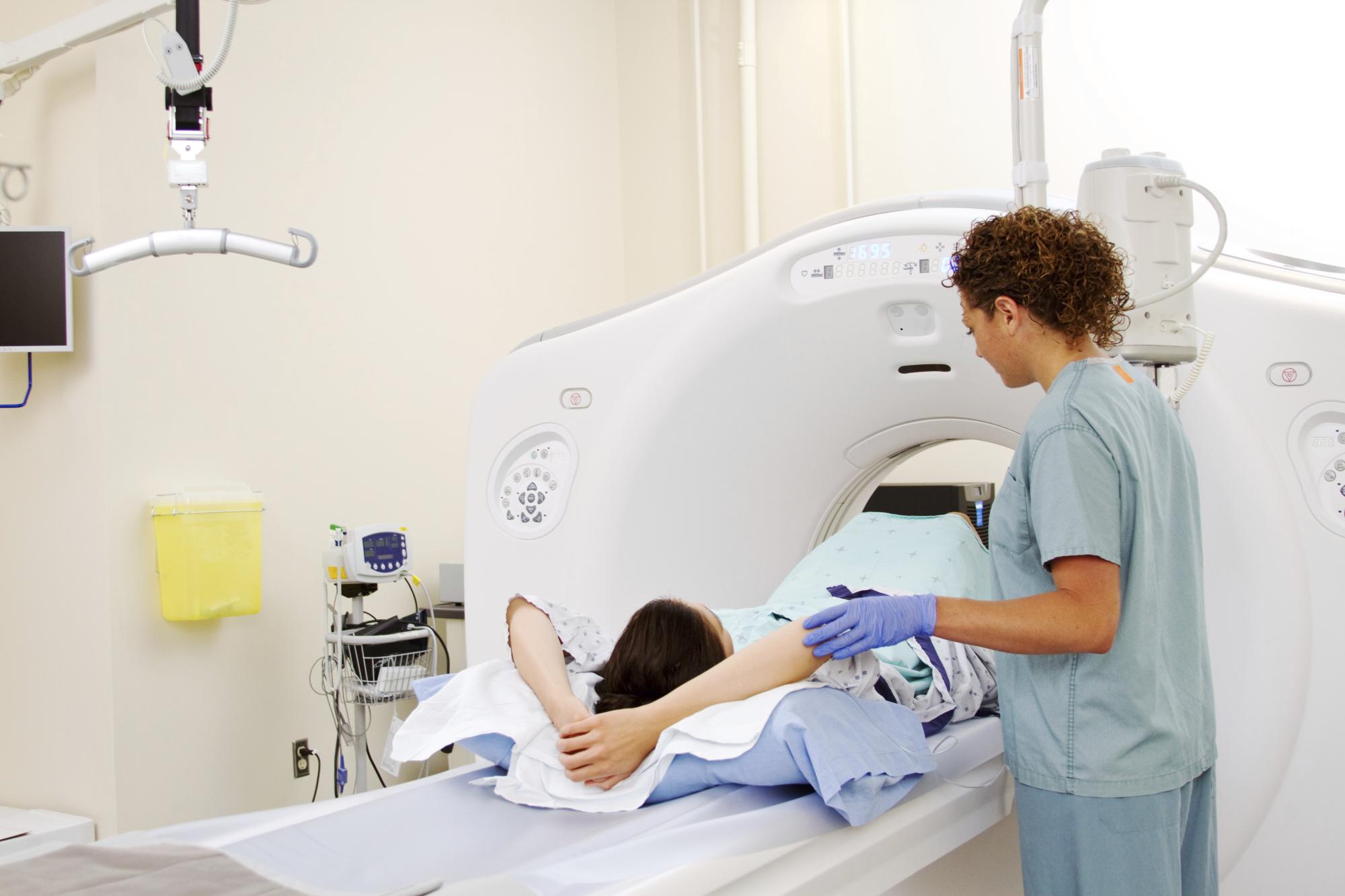
Screening is testing for lung cancer before any signs or symptoms show up. A lung imaging study called a low-dose CT scan is the best screening test. A plain chest X-ray is not a good screening test. However, there are risks and benefits to screening. Not everyone needs to be screened—not even everyone who smokes.
Risks and Benefits of Lung Cancer Screening
The benefit is clear—early diagnosis of lung cancer may save lives. The risks are less obvious, but they're important:
-
Low-dose CT scans will pick up lots of lung spots—called nodules—that are not cancer. This means more testing. It may mean a lung biopsy. The risks from a lung biopsy include bleeding and a collapsed lung.
-
Low-dose CT scans may find small cancers that will never spread or cause a problem. Treatment for these cancers may be more dangerous than leaving them alone.
-
Low-dose CT scans expose you to radiation. Repeated scans increase your risk of cancer. That is why experts only recommend screening people with a known risk of lung cancer.
-
Lung cancer screening is expensive. Your insurance might not cover it. The average cost for screening is $300 to $500. That does not include testing that may follow screening.
Who Should Get Screened for Lung Cancer?
Experts who have weighed the risks and benefits of lung cancer screening have made recommendations about who should get screenings.
They agree you should get a screening if you meet all of these qualifications:
- You are a smoker or were a smoker in the past 15 years.
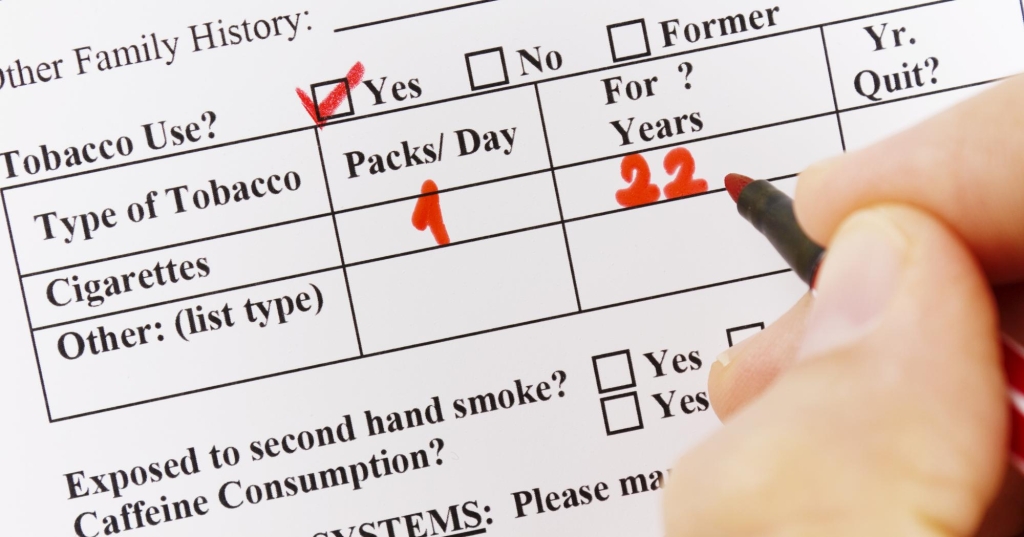
- You averaged one pack a day for 30 years or more (or two packs a day for 15 years).
- You are older than 55 but younger than 80.
If you meet these requirements, talk with your doctor about screening. Ask your doctor to review the risks and benefits with you. The expert recommendations are only recommendations. You and your doctor should decide if screening makes sense for you given your specific circumstances. Let your doctor know about other risk factors you might have. Examples are a strong family history of lung cancer or a long exposure to secondhand smoke.
You should also talk to your insurance company to see if it covers lung cancer screening. Medicare now covers one lung cancer screening a year for people ages 55 to 77 years if they meet all the requirements and get an order from their healthcare provider.