View Providers
Lung cancer is different from other cancers because, in many
cases, there are no signs of the disease until the cancer is advanced. This
type of cancer usually spreads to locations like the brain, bones and liver. If
you’re experiencing symptoms, keep in mind they could be caused by several factors.
Some of the signs and symptoms of lung cancer are the same as symptoms brought
on by cancer treatments, but there are important differences you should be
aware of. Also, keep in mind the symptoms of lung cancer can be different in
each patient.
What to Watch For
If you have any symptoms that worry you, you should make an
appointment with your doctor as soon as possible to discuss your concerns.
There are several tests your doctor can perform to determine if you have lung cancer
or if it has spread beyond your lungs. Since lung cancer can affect many
different body systems, there are several common symptoms of advanced lung
cancer you should watch out for:
-
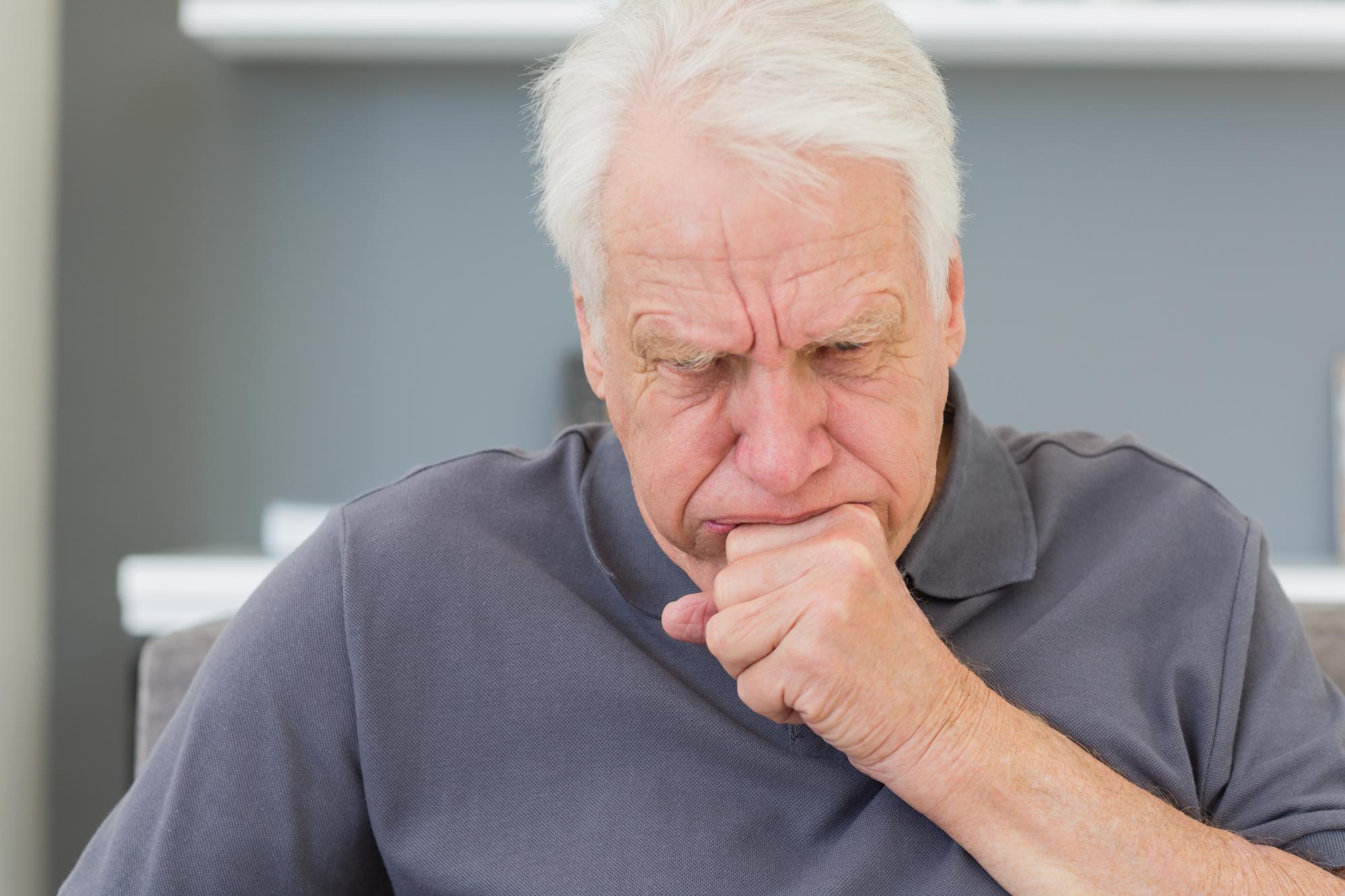
A cough
that gets worse, or won’t go away: One of the most common symptoms of
advanced lung cancer is a cough that just won’t go away, no matter what you do.
You might also have a cough that gets much worse over time. Coughing up blood
is a huge red flag, and you should see your doctor as soon as possible if this
is happening. -
Shortness
of breath and wheezing: If you’re having trouble catching your breath, or
if you’re wheezing, it could be the result of cancer that has spread throughout
your lungs and pleura, the thin membranes that surround each of your lungs. -
Hoarseness:
Stage 4 lung cancer will sometimes spread into the chest and affect the nerves
that help control your voice box. If this happens, you might experience
hoarseness. -
Trouble
swallowing: Sometimes, cancer that starts in the lungs can spread to your
esophagus and form tumors there, narrowing the food tube and making it hard for
you to swallow. You might also have a lung tumor that’s pressing against your
esophagus, making it difficult for any food or liquid to pass normally to the
stomach. -
Swelling
in your face or neck: Tumors can also affect your superior vena cava, the
large vein that returns blood from your upper body to your heart. If this vein
becomes blocked by a tumor, you could have swelling of your face, neck, upper
body, or arms. -
Neurological
changes: If your cancer has spread to your brain, you might experience neurological
symptoms, including headaches, numbness, dizziness or seizures. If any of these
symptoms happen to you, tell your doctor immediately. -
Bone pain:
Many patients have significant pain when their cancer has spread to their
bones. If you have bone pain that won’t go away, talk to your doctor.
Advanced Cancer Symptoms or Treatment Side
Effects?
Some of the symptoms of advanced lung cancer are the same as
side effects you might experience during the course of your cancer treatment.
Both chemotherapy and radiation therapy can cause symptoms including fatigue,
loss of appetite, and weight loss. However, if these symptoms are caused by
your treatment, they’ll usually go away once your treatment is finished. They
might also respond to medications or other supportive care therapies. If they
are caused by late stage lung cancer, they won’t go away and might get worse
over time.
If you’re concerned you might have advanced lung cancer, the
most important thing you can do is talk to your doctor about your specific
symptoms. It’s important for your doctor to know exactly what symptoms you’re
having and how long you’ve had them. Also, tell him or her about any changes
you’ve noticed in your symptoms, especially if they’ve gotten worse over time. Your
doctor will use the information you provide to order further tests and confirm
the actual cause of your symptoms. If it’s determined you do have late stage
cancer, your doctor will put together a treatment team and develop a plan for
treating your cancer while giving you the best quality of life possible.