View Providers
From the moment you were diagnosed with advanced lung
cancer, a treatment team started to form to tackle your disease head-on. While
your medical oncologist is probably your main contact regarding your cancer, there
will be other specialists involved in your care who will recommend and
implement treatment plans specific to their field. The treatment team can be
different since each patient is unique, but the goal of your cancer care team
is to treat your cancer as successfully as possible while giving you the best
quality of life throughout your treatment.
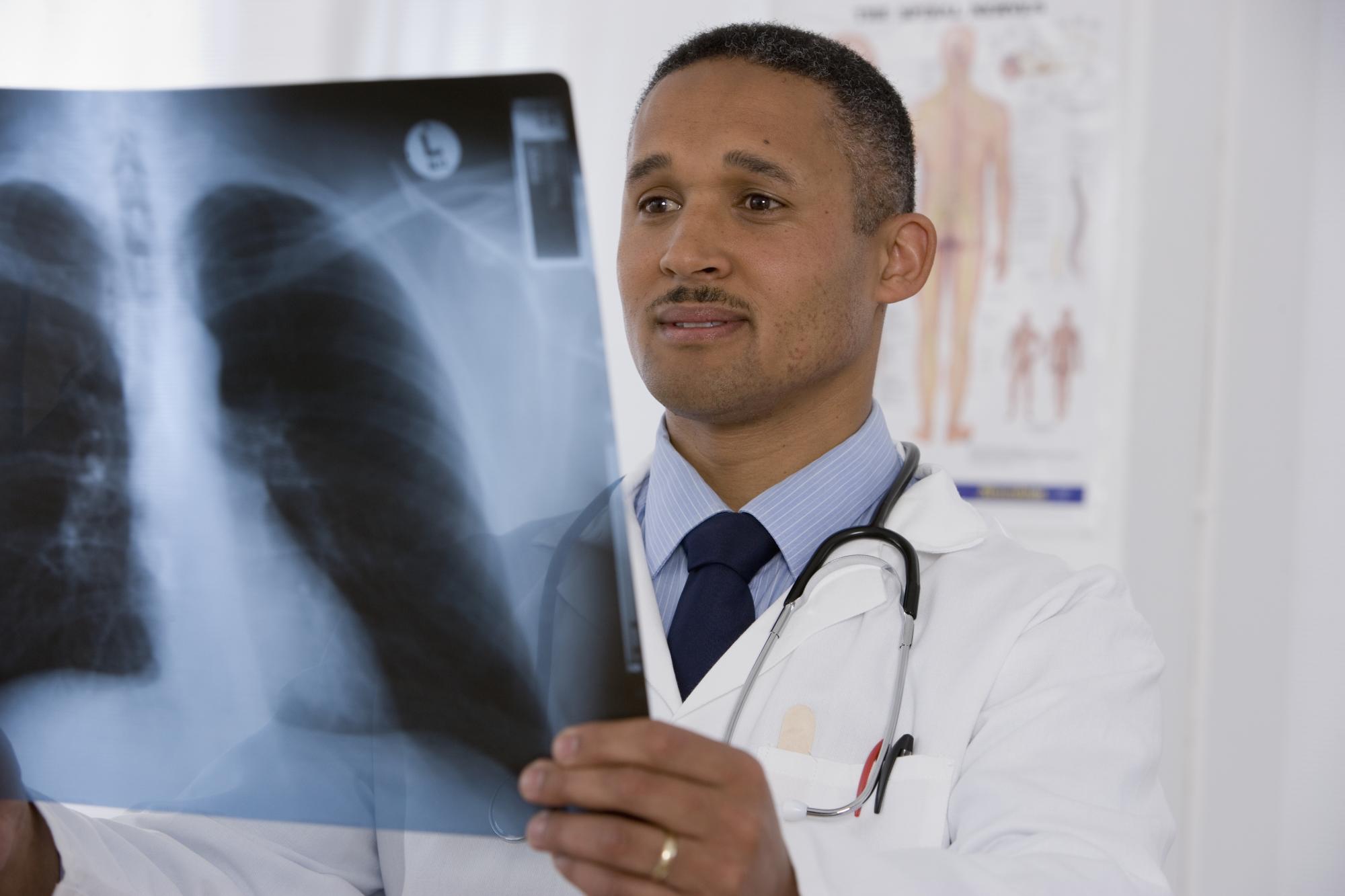
Interventional Pulmonologist
Your interventional pulmonologist is a physician who has
specialized knowledge used to diagnose and treat lung cancer. This doctor can
help you breathe more easily and take deeper breaths by clearing anything that
might be blocking your airway. They can help lessen any symptoms you might have,
like shortness of breath or coughing, by using minimally invasive surgical
techniques to remove fluid in and around your lungs. Interventional
pulmonologists can also help reduce the discomfort you might experience as a
result of your cancer treatments, like chemotherapy and radiation therapy.
Radiation Oncologist
Your treatment plan might include radiation therapy, and
that’s where your radiation oncologist comes in. These doctors have specialized
training to provide radiation treatments to people with advanced lung cancer.
They use specialized equipment to target lung cancer cells with regulated doses
of high-energy radiation. Your radiation oncologist will tailor your treatment
to fit your particular needs.
Registered Dietitian
Since your nutritional needs during your lung cancer journey
will change, you’ll probably see a registered dietitian sometime during the
course of your treatment. These professionals will help you stay at a healthy
weight during treatment. Your dietitian will factor in your treatment plan,
your height and weight, and any other medical issues or diseases you might have
to help you safely and consistently get the nutrients your body needs to fight
your cancer.
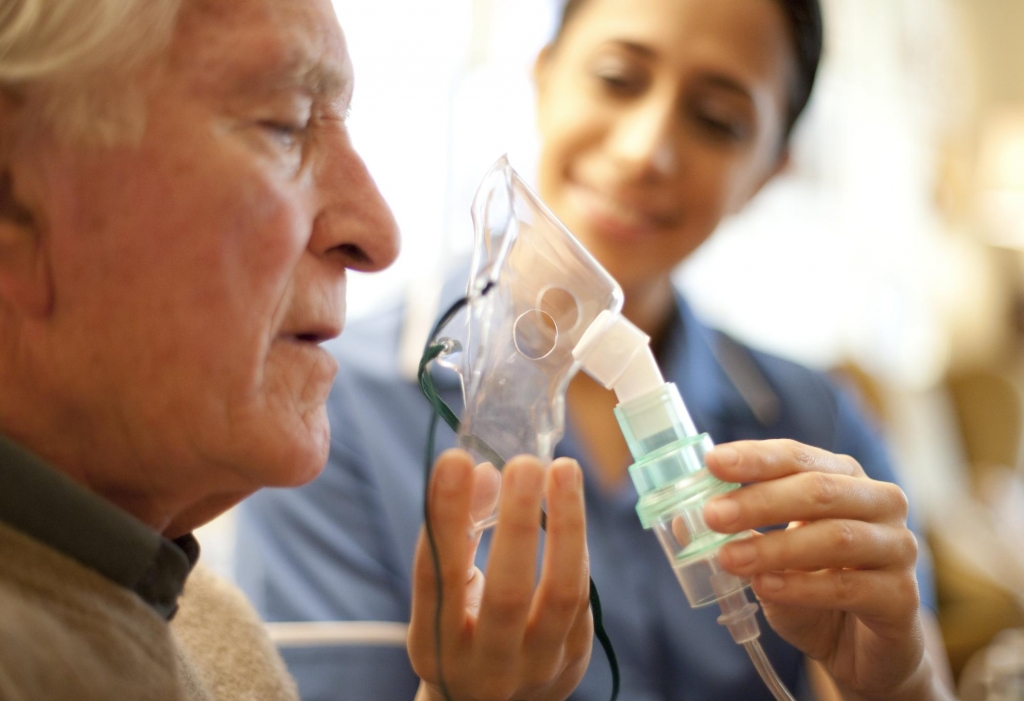
Respiratory Therapist
You might have difficulty breathing or changes in your
breathing patterns during the course of your lung cancer treatment. Respiratory
therapists are professionals trained to assist you in learning new breathing
techniques that can help you breathe more easily. If you need oxygen therapy,
they will help you learn how to wear a nasal oxygen tube or face mask.
Respiratory therapists can also teach you how to use other types of treatments,
like nebulizers, which turn certain liquid medications into mists that you
inhale.
Pain Management Specialist
Advanced lung cancer
and treatments for the disease can cause you to be in a significant amount of
pain. You’ll probably have a pain management physician on your treatment team
who specializes in assessing your pain level and prescribing medications to help
minimize the amount of pain you have. Your pain management doctor might also
recommend you try non-medical pain management techniques, like guided
meditation, relaxation exercises, or yoga. The goal of your pain management
specialist is to keep you as comfortable as possible.
Psychiatrist or Psychologist
Dealing with advanced lung cancer can be emotionally
devastating and mentally exhausting. Many cancer patients experience
depression, anxiety, and other psychological illnesses after they are diagnosed.
If you’re having trouble dealing with the mental and emotional aspects of your
cancer, a mental health professional can help. You might have private therapy
sessions with a psychologist where you can voice your concerns and fears in a
non-judgmental meeting space. If you need medication to help deal with any
psychological problems, a psychiatrist can prescribe medications that can help
relieve some of your symptoms.
It’s important to understand that treating advanced lung
cancer takes a team of people who share a common goal: to help you live the
best life possible while dealing with a very serious illness. Since your cancer
journey is different from anyone else’s, your treatment team might look
different from another patient with lung cancer. Each member of the team has a
specific role, but they are all working toward maximizing your chance for
treatment success while maintaining your quality of life.