View Providers

Hope Now and in the Future
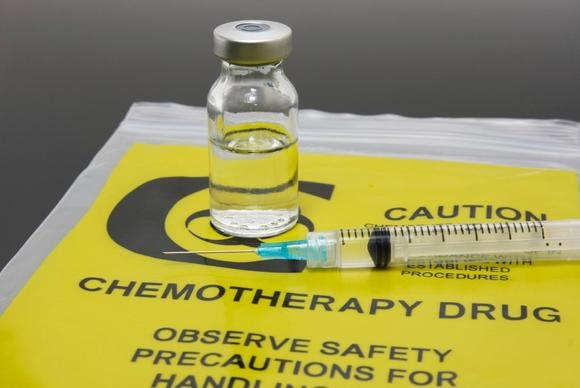
Cancer is a scary word. Many people hear the word and automatically think the worst because in the past there were very few effective treatments. The truth is that tremendous advances have occurred over the last four decades. The five-year survival rate for all cancers has increased from 50% in the 1970’s to 68% in 2007. Looking at it a different way, between 1990 and 2009 overall cancer death rates have dropped by 20%. So there is hope. Take a look at some top cancers and learn about treatment advances.
New Benefits from Targeted Therapies
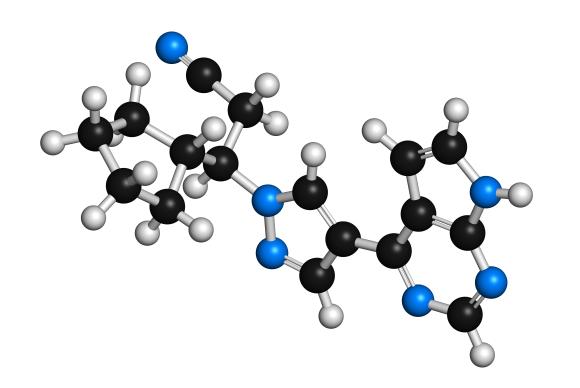
Today, combination chemotherapy treatment is standard for many cancers. But there have also been advances in targeted therapies that focus on stopping specific cancer cells. There are currently about 30 of these treatments, which interfere with the processes that allow cancer cells to form and grow. Researchers also have made progress in highly precise radiation therapies that zero in on tumors, reducing the side effects from general radiation.
Prostate Cancer
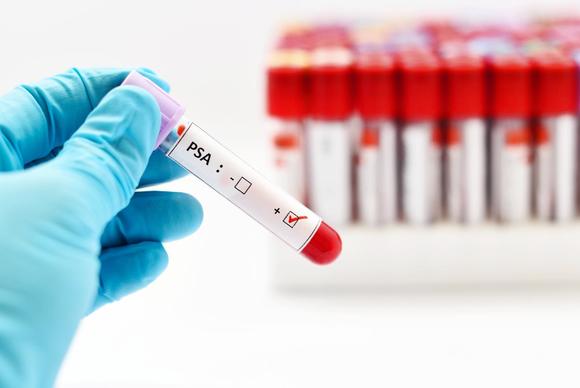
The five-year survival rate for prostate cancer has increased dramatically, now at nearly 100%. Routine screening has made it possible to identify most cancers early. Men are also benefiting from rapidly expanding treatment options, such as improved surgical techniques and hormonal therapies. Seven of the 10 drugs approved for prostate cancer came to market within the last five years. In 2010, a treatment vaccine became available that uses patients’ own immune cells to boost the body’s response to the cancer.

Breast Cancer
Breast cancer has also seen an increase in its five-year survival rate, up from 75% to 90%. Today, screening advancements catch many breast cancers at early, treatable stages. Treatment options now include more precise surgical and radiation techniques, combination chemotherapy regimens, hormonal therapies, and targeted treatments. Genetic research has also identified several genes linked to breast cancer. Women who test positive for these genes can take preventive steps, such as pre-emptive mastectomy, to reduce their risk.

Lung Cancer
The numbers for lung cancer are less dramatic. Its five-year survival rate is now 16% compared to 13% in the past. Early detection is still a challenge, so most lung cancers are already in advanced stages at the time of diagnosis. However, researchers have made progress in lung cancer treatment with precise radiation treatments and targeted therapies. The No. 1 risk for lung cancer—smoking—has also been reduced through stop-smoking campaigns that have lowered the number of Americans who take up the habit.

Colorectal Cancer
Colorectal cancer has made modest advances, with a current five-year survival rate of 67%, up from 51%. Again, screening for this cancer has helped improve treatment results. With new surgical techniques patients can see a 90% cure rate when the disease is caught early. Colorectal cancer treatment has also seen promising improvements from combination chemotherapy regimens and targeted therapies, extending survival for patients with metastatic colorectal cancer.

Melanoma
Cases of melanoma have steadily increased over the years, while the death rate remains stubbornly stable. This underscores melanoma’s reputation as one of the most aggressive, treatment-resistant cancers. But there is hope. Researchers recently discovered a gene mutation—BRAF—that’s present in more than half of melanoma cases. This has led to the development of drugs targeted at BRAF-positive melanomas. For patients with advanced melanoma who haven’t found success with other treatments, combining the biologic interleukin-2 with another drug, ipilimumab (Yeroy) has been shown to prolong survival.

Key Takeaways
The outlook for cancer patients today is far more positive than it was 30 or 40 years ago. Compared to the recent past, experts have a far richer understanding of cancer. Meanwhile, researchers have made tremendous progress in developing new and effective treatments—and they haven’t stopped. The Cancer Genome Atlas (TCGA) project is working to understand the genetics of more than 20 cancers, giving scientists the data they need to continue to develop targeted therapies. Research continues and the future looks bright.