View Providers
1. Surgery treats early-stage lung cancer.
Surgery treats lung cancer when the cancer hasn’t spread beyond one lung. In general, small cell lung cancer tends to involve both lungs and shows up in later stages. So surgery is not often an option for this type of lung cancer. However, doctors commonly recommend it for early-stage non-small cell lung cancer when the cancer doesn’t involve other parts of the body.
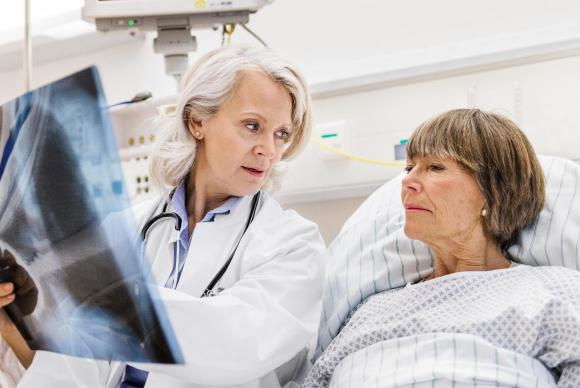
2. Surgery may offer the best chance to cure early non-small cell lung cancer.
When surgery is an option for early-stage non-small cell lung cancer, it offers the best chance of cure. But lung cancer surgery is complex. It involves removing the tumor and a healthy margin of tissue around the tumor. Your doctor may also remove lymph nodes. If surgery is an option for you, you’ll need a surgeon with plenty of experience. You can research thoracic surgeons near you at Healthgrades.com.

3. Doctors usually combine surgery with other lung cancer treatments.
Most people with lung cancer need more than one type of treatment. This can include chemotherapy, radiation therapy, and targeted drug therapy. You may need these other treatments either before or after your surgery. This means you’ll need other doctors, such as a medical oncologist or radiation oncologist, on your care team.
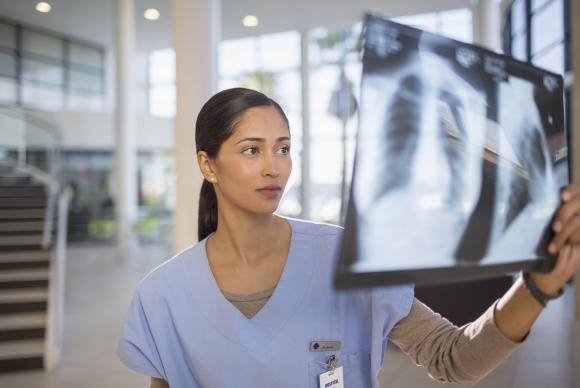
4. There are three main types of lung cancer surgery.
The three main types of lung cancer surgery are wedge resection, lobectomy, and pneumonectomy. Wedge resection takes a small segment of lung, lobectomy removes a full lobe of the lung, and pneumonectomy removes the entire lung. The type of surgery you need depends on how big the tumor is and where the tumor is in your lungs. There is another surgery—sleeve resection—that treats tumors in the large airways of the lungs.
5. You will have lung function testing before surgery.
Your lung function is an important factor in deciding if surgery is right for you, and which type of surgery is best. Your doctor needs to know if you have enough healthy lung tissue to allow you to breathe after surgery. Pulmonary function testing can help your doctor make this decision. It’s likely you will see a pulmonologist to guide this part of your care.
6. Recovery from lung cancer surgery takes time.
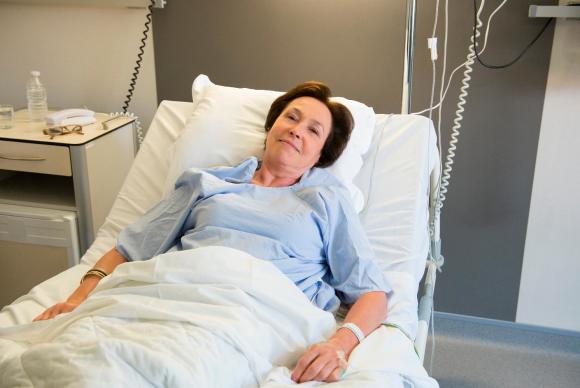
Lung cancer surgery is either an open thoracotomy or a VATS (video-assisted thoracoscopy). A VATS is a minimally invasive procedure that tends to have a shorter recovery time than open surgery. But any type of lung cancer surgery is major surgery and your tissues need time to heal. It may take weeks to months before you can return normal activities. Ask your surgeon beforehand what to expect and how long you will need to take it easy.
7. Pain control is an important part of recovery.
The amount of pain each person has after lung cancer surgery varies. If you have an open thoracotomy, you will likely have pain longer than with a VATS. It’s important to control your pain so you can do your breathing exercises and other therapies and exercises. This means you may be on pain medicines for 2 to 4 weeks after surgery. Follow your doctor’s dosing instructions because it’s better to keep pain away than to try to chase the pain.

8. You may have breathing problems after surgery.
You may or may not have breathing problems after lung cancer surgery. It depends on the extent of your surgery. It also depends on whether or not you have other lung diseases, such as COPD (chronic obstructive pulmonary disease). Pulmonary rehabilitation—or rehab—can help you improve your stamina and reduce shortness of breath. Talk with your doctor and find out if you could benefit from pulmonary rehab, either before or after surgery.
9. You will need some support at home.
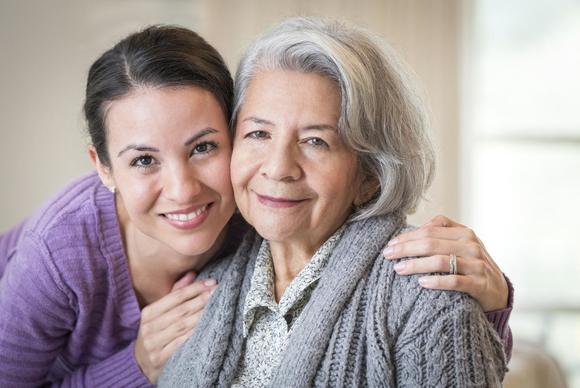
Lung cancer surgery is major surgery, so you will need help at home. The amount of help you need depends on how well you were functioning before surgery and the extent of your surgery. At the least, you will need help with driving until you are off of pain medicines. But you may also need help with shopping, housework, cooking, and daily hygiene. Ask your doctor before surgery what to expect after surgery so you can prepare.
10. Lifestyle changes can help you lead a normal life.
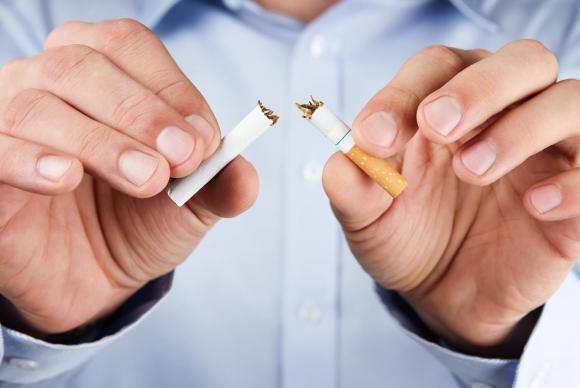
Your lung function won’t be the same after lung cancer surgery. But that shouldn’t keep you from doing what you enjoy. Lifestyle changes, both before and after surgery, can help you get there. The most important one is quitting smoking if you smoke. It may not be easy, but it is possible and your doctor can help. Ask your doctor about strategies for quitting. Also, ask about your goals for exercise, weight, and healthy eating.