Lung Cancer Treatments
How is lung cancer treated?
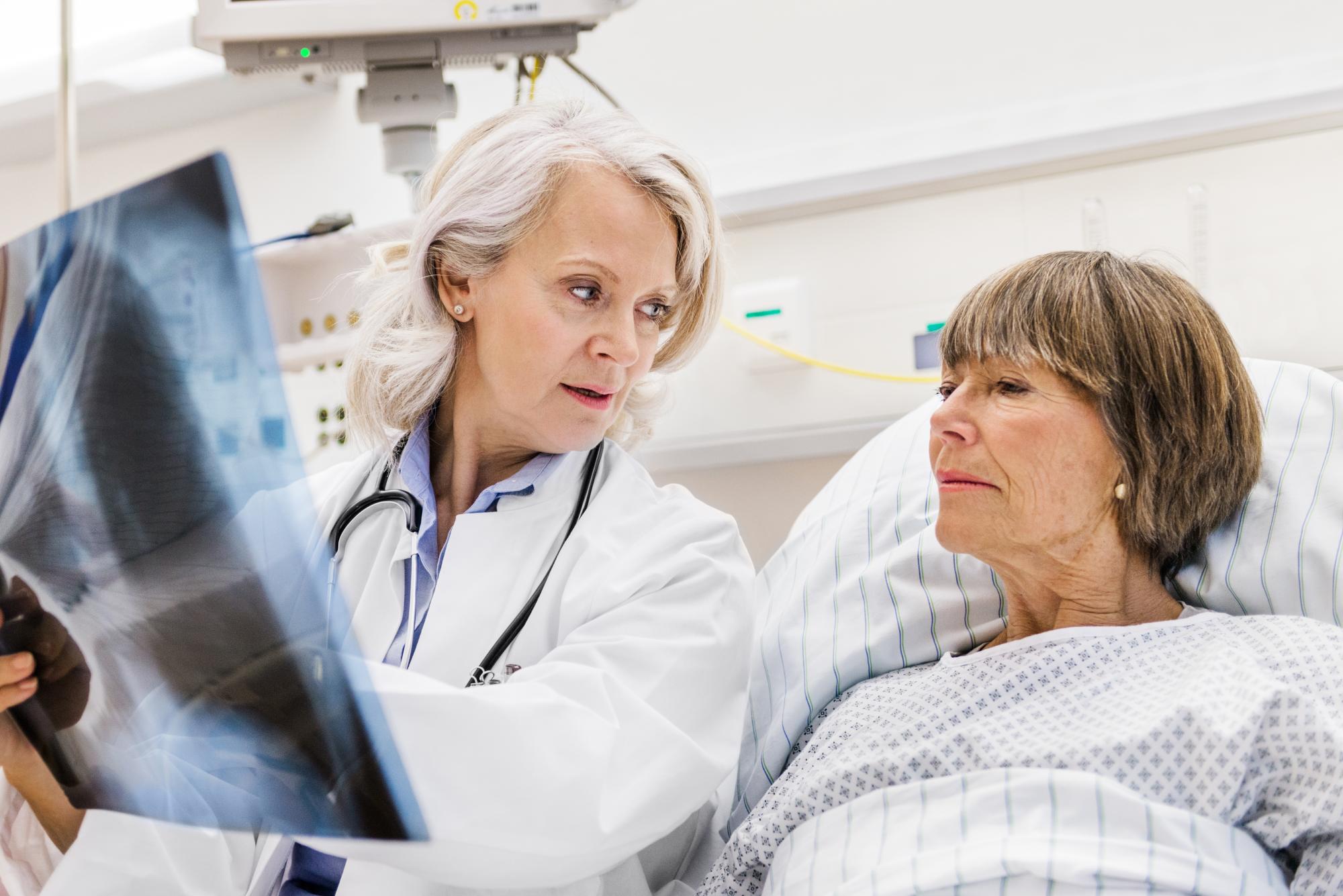
Treatment of lung cancer begins with seeking regular medical care throughout your life. Regular medical care allows your health care professional to best evaluate symptoms, such as chronic cough, and your risks of developing lung cancer, and promptly order diagnostic testing. These measures greatly increase the chances of detecting lung cancer in its earliest, most curable stage.
The goal of lung cancer treatment is to permanently cure the cancer or to bring about a complete remission of the disease. Remission means that there is no longer any sign of the disease in the body, although it may recur or relapse later. Lung cancer treatment plans use a multifaceted approach that is individualized to the type of lung cancer and the stage of advancement; your age, medical history, and coexisting diseases or conditions; and other factors.
Lung cancer treatment may include an individualized combination of:
- Chemotherapy in early or late-stage lung cancer. In end-stage lung cancer, chemotherapy may be used only to help shrink the tumor to relieve symptoms
- Dietary counseling to help people with cancer maintain their strength and nutritional status
- Pain medications
- Palliative care to improve the overall quality of life for families and patients with serious diseases
- Participation in a clinical trial to test promising new therapies and treatments for lung cancer
- Physical therapy to help strengthen the body, increase alertness, reduce fatigue, and improve functional ability during and after cancer treatment
- Radiation therapy in early-stage or late-stage lung cancer
- Quitting smoking to help slow or stop the growth of a lung cancer tumor
- Supplemental oxygen
- Surgery to remove the cancerous tumor and possibly all or part of a lung, which is generally most effective during the earliest stage of lung cancer
- Targeted molecular therapy for select lung tumors that harbor specific gene mutations
Treatment Options
Hospice care
In cases in which lung cancer has progressed to an advanced stage and has become unresponsive to treatment, the goal of treatment shifts away from curing the disease and focuses on treating the person. The goal of hospice care is to help people in the last phases of an incurable disease to live as fully and comfortably as possible. Hospice care involves medically controlling pain and other symptoms while providing psychological and spiritual support as well as services to support the patient’s family.

Complementary treatments
Some complementary treatments may help some people to better deal with lung cancer and its treatments. These treatments, sometimes referred to as alternative therapies, are used in conjunction with traditional medical treatments. Complementary treatments are not meant to substitute for traditional medical care. Be sure to notify your doctor if you are consuming nutritional supplements or homeopathic (nonprescription) remedies as they may interact with the prescribed medical therapy.
Complementary treatments may include:
- Acupuncture
- Massage therapy
- Nutritional dietary supplements, herbal remedies, tea beverages, and similar products
- Yoga