Lung Cancer Prevention
Preventing & Detecting Lung Cancer
Lung cancer is the third most common cancer affecting American men and women. Unfortunately, doctors rarely find lung cancer in the early stages. As a result, it is the leading cause of cancer-related deaths. Together, non-small cell lung cancer and small cell lung cancer account for more deaths than colon, breast and prostate cancers combined.
One of the main reasons lung cancer is so deadly is because it typically doesn’t cause symptoms in the initial stages. Unlike some other cancers, lung cancer can grow without causing pain or discomfort from the tumor. People also tend to mistake the symptoms for something else. In most cases, lung cancer has spread too far to be cured by the time symptoms become noticeable.
A cough is one of the main symptoms of lung cancer. This could be a new cough that persists or gets worse. It could also be a chronic ‘smoker’s cough’ that changes in some way. The cough can progress to the point of coughing up blood or bloody or rust-colored mucus. Other symptoms include hoarseness, shortness of breath, and chest pain that gets worse with deep breathing, coughing or laughing. You may also notice tiredness, weakness, unintended weight loss, or loss of appetite.
While lung cancer may be hard to find early, the good news is lung cancer prevention is highly effective.
What are the risk factors for lung cancer?
Like any cancer, it is possible for anyone to develop lung cancer, even if they have no risk factors. Unlike many other cancers, lung cancer has one major risk factor that is responsible for 90% of cases. That risk factor is smoking in any form, including cigarettes, cigars and pipes. Your risk goes higher the longer you smoke and the more you smoke. But there is more good news here—quitting decreases your risk. This is true regardless of your age, so it’s never too late to make it happen. Ten years after quitting, your risk of developing lung cancer is half that of people who still smoke.
Other less common risk factors for lung cancer include:
-
Exposure to asbestos and other hazardous chemicals and materials
-
Exposure to radon gas
-
Exposure to secondhand smoke
-
Family history of lung cancer
Reducing your risk of lung cancer
The main strategy for any kind of cancer prevention or risk reduction is to change risk factors you can control. This isn’t always possible. People without any controllable risk factors can still develop lung cancer. And people can have risk factors they can’t control, such as family history and inherited gene mutations. But the vast majority of lung cancer cases are preventable by never smoking or stopping smoking. If you wonder how to prevent lung cancer, this is the single most important thing you can do.
You may be able to lower your risk of by taking these other steps:
-
Avoiding or limiting exposure to cancer-causing materials and chemicals. Be sure to follow all safety precautions if you work with potentially hazardous substances.
-
Avoiding radon exposure. This may involve testing your home for radon and installing a mitigation system. Contact your city government for guidance, or go to a local hardware store for a radon test kit.
-
Avoiding secondhand smoke. This is fairly easy in public places that ban smoking. If you live with a smoker, support them in stopping or work out arrangements to keep smoke away from you and loved ones.
-
Eating a healthy diet with plenty of whole grains and fresh fruits and vegetables. This is an overall strategy for healthy living.
If you or a love one needs help quitting smoking, talk with your doctor. There are treatments that can help. However, there is no one approach that works for everyone. Work with your doctor to find the one that fits your needs. Do not let a setback discourage you. Never quit trying to quit!
Early detection of lung cancer
Finding any cancer early is the key to successfully treating it. Screening tests are the main tools doctors have for doing this. A screening test looks for cancer in someone who does not have symptoms. For a screening test to be useful, it needs to decrease the risk of dying from the disease. Otherwise, it really isn’t helpful and becomes an unnecessary expense. This has been a big problem with lung cancer screening tests until recently.
Does an X-ray show lung cancer?
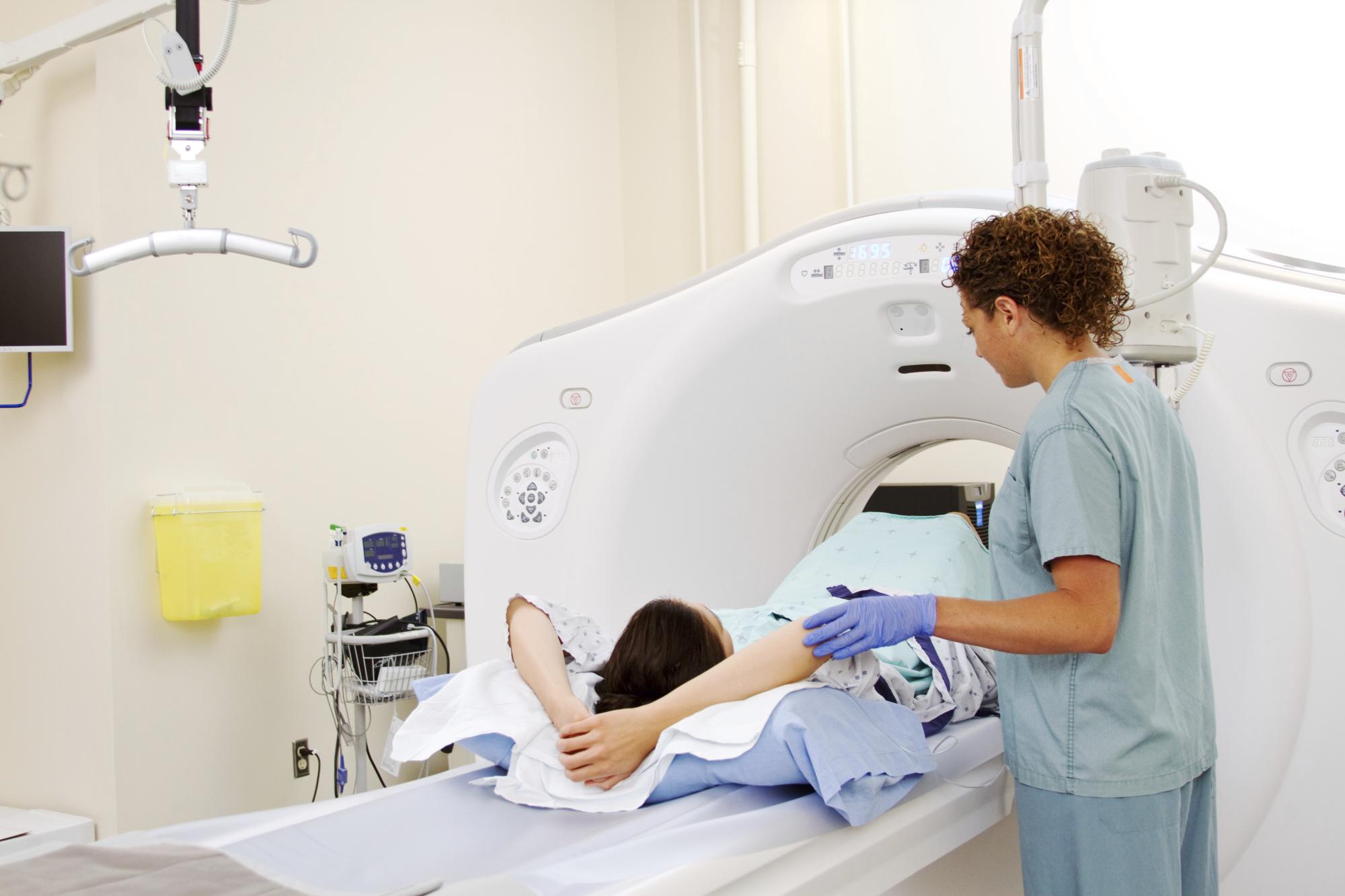
In the past, there was no good lung cancer test that reduced the risk of dying. However, this changed after the National Lung Screening Trial (NLST). The NLST compared CT lung cancer screening to lung cancer X-ray screening in people at high risk. CT (computed tomography) also uses X-rays, but a computer arranges multiple images to create a much more detailed image than a traditional X-ray machine. The NLST found people who had the CT screening had a 20% lower risk of dying from lung cancer than those who had the X-ray screening. Using these results, experts developed lung cancer screening guidelines.
You may be a candidate for lung cancer screening if you meet all of the following criteria:
-
Age 55 to 74 years
-
At least a 30 pack-year smoking history. A pack-year is the number of packs smoked per day multiplied by the years of smoking. For example, one pack per day times 30 years or two packs per day for 15 years are both 30 pack-years.
-
Currently smoking or have quit smoking within the last 15 years
-
Fairly good overall health without symptoms of lung cancer
If something concerning shows up on a CT screening test, your doctor will order diagnostic testing.
How to detect and diagnose lung cancer
Your doctor may order testing if you have symptoms that could be due to lung cancer. After a complete medical history and physical exam, tests for diagnosing lung cancer may include:
-
Imaging exams, such as chest X-ray, CT scan, and MRI
-
Sputum cytology, which looks at a mucus sample under a microscope to check for cancer cells
-
Thoracentesis, which removes and examines fluid from around your lungs under a microscope to look for cancer cells
-
Bronchoscopy, which uses a thin lighted tube to examine the inside of your airways for abnormal areas
-
Biopsy, which takes a tissue sample from any suspicious areas to look for cancer
These tests will give your doctor a definitive diagnosis of the type and stage of lung cancer. Your doctor will use this information to develop the most effective and appropriate treatment plan for you. Since most lung cancers are advanced at diagnosis, it’s often hard to eliminate the cancer. If this is the case, treatment may aim to control the cancer and ease pain and other symptoms. People with lung cancer may want to talk with their doctor about a clinical trial. This can be an avenue to experimental and cutting-edge treatments.