Lung Cancer Signs & Symptoms
What are the symptoms of lung cancer?
Lung cancer often produces no symptoms in its earliest stages, when it is most treatable. Symptoms may not occur for a decade or more after lung cancer has developed. When symptoms do occur, they often indicate that lung cancer has progressed to an advanced, less curable stage.
Symptoms of lung cancer include:
-
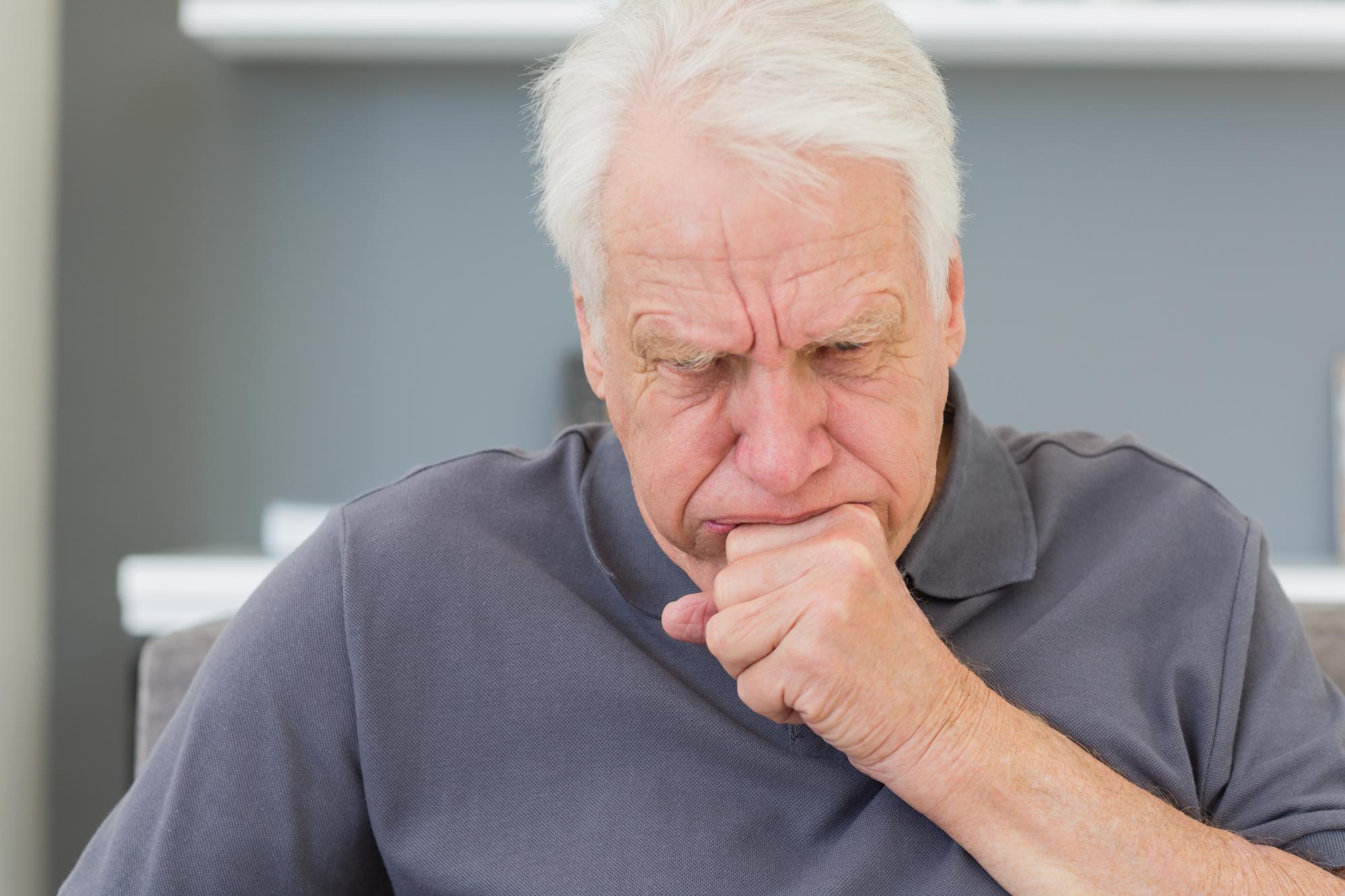
A cough that gets more severe over time
-
Chest pain
-
Coughing up blood (hemoptysis)
-
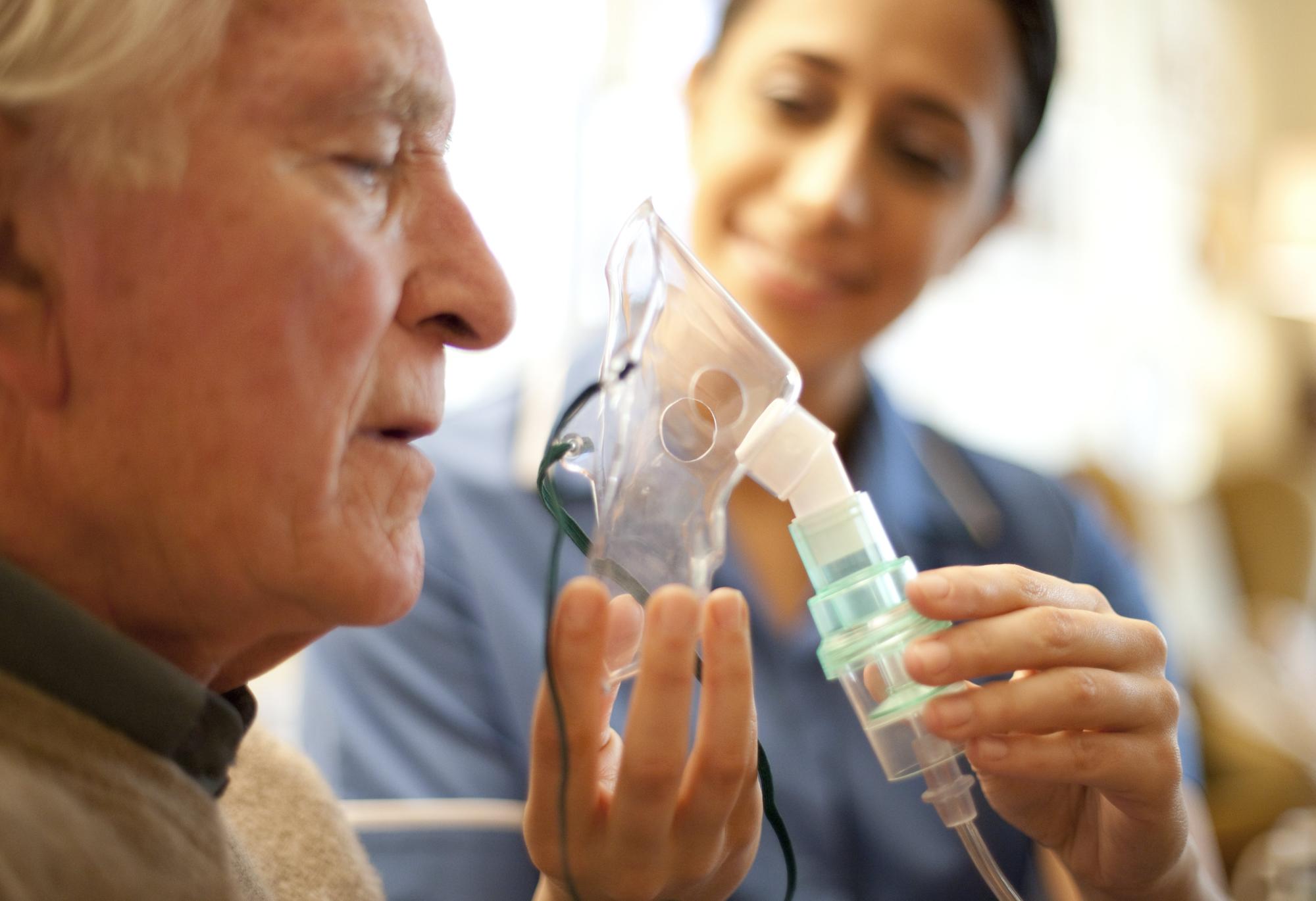
Difficulty breathing, shortness of breath, or wheezing
-
Fatigue
-
Frequent episodes of pneumonia and bronchitis
-
Hoarseness
-
Long-term cough
-
Weight loss
What causes lung cancer?
Lung cancer is a highly preventable form of cancer; the majority of cases are caused by smoking. Exposure to smoke damages the cells that line the lungs. Over time, these abnormal cells multiply and form malignant tumors, which crowd out and destroy healthy cells.
Eventually, the cancer cells can spread to other organs of the body, such as the other lung, brain, bones, adrenal glands, and liver. This is called metastatic lung cancer.
Lung cancer can be caused by:
-
Smoking, including pipes, cigarettes and cigars
-
Exposure to secondhand smoke
-
Exposure to airborne carcinogens (substances that cause cancer), such as radon and asbestos
-
Metastasis of cancer from other areas in the body, such as the breast, prostate, or bone
What are the potential complications of lung cancer?
Complications of lung cancer are life-threatening. Complications are caused by an abnormally rapid growth of old or damaged cells. These cells can travel through the bloodstream and lymphatic system to other areas of the body, such as the other lung, brain, bones, adrenal glands, and liver (metastasis). Cancer cells can continue to multiply rapidly in other organs and develop new malignant tumors that interfere with normal organ function.
Over time, lung cancer can lead to serious complications including:
- Adverse effects of anticancer treatment
- Frequent episodes of pneumonia and bronchitis
- Metastasis of cancer to the other lung, brain, bones, adrenal glands, and liver
- Pleural effusion, which is an accumulation of fluid in the space around the lungs that causes difficulty breathing and shortness of breath
- Severe bleeding from the lungs
- Severe pain
You can best treat lung cancer and lower your risk of complications, or delay the development of complications, by following the treatment plan that you and your health care team design specifically for you.